With only a month left before the world’s biggest football tournament kicks off, attention is shifting not only to the competing teams and stadiums but also to the weather conditions across the host nations.
The 2026 World Cup, held across the United States, Canada, and Mexico, will face summer challenges including heatwaves, thunderstorms, and even poor air quality caused by wildfires. Humidity is also expected to play a major role in potential disruptions.
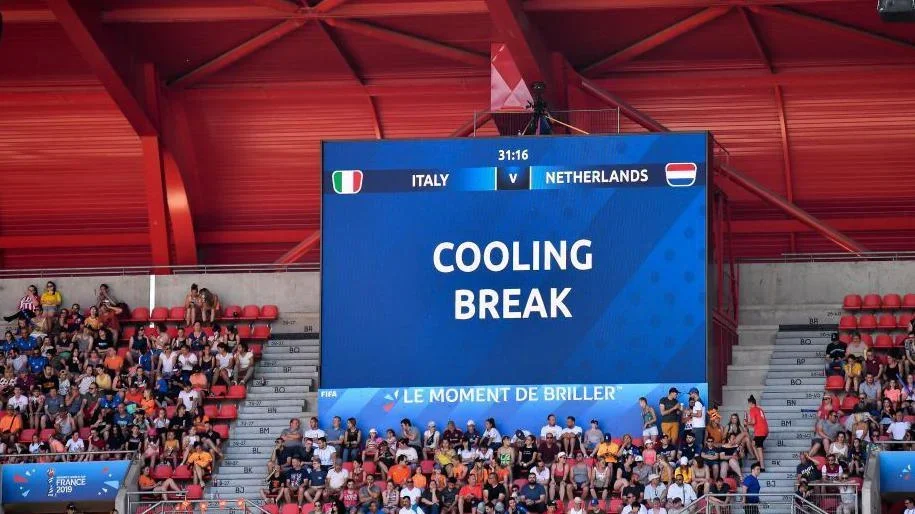
FIFA has acknowledged that high temperatures could pose a threat and, as part of its “commitment to player welfare,” has introduced mandatory three-minute cooling breaks during each half of every match throughout the tournament.
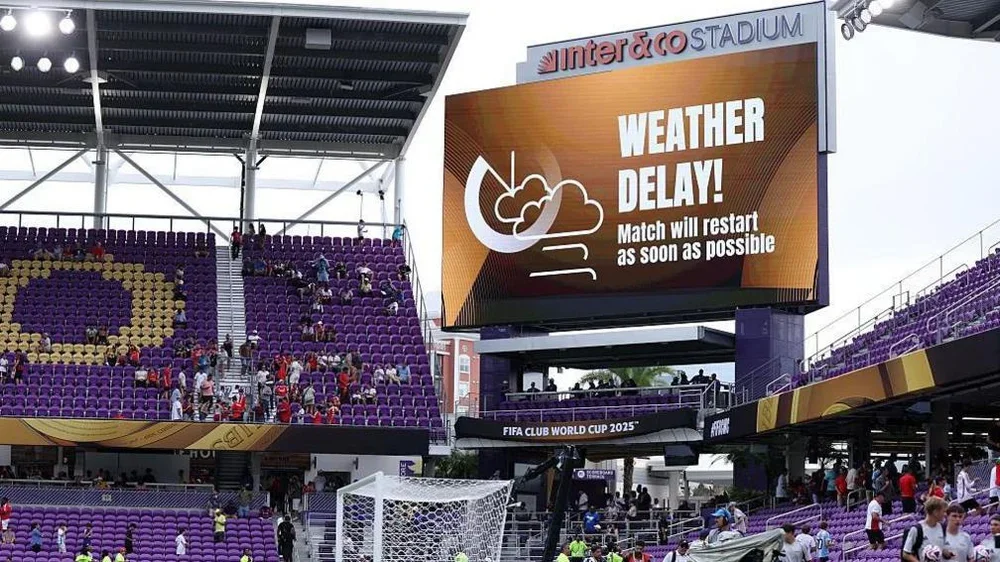
At the FIFA Club World Cup in 2025, six matches were affected by heat and thunderstorms, including a two-hour delay during the clash between Chelsea and Benfica. That incident prompted then-Chelsea manager Enzo Maresca to remark that the US is “probably not the right place to do the competition.”
How hot is it likely to get?
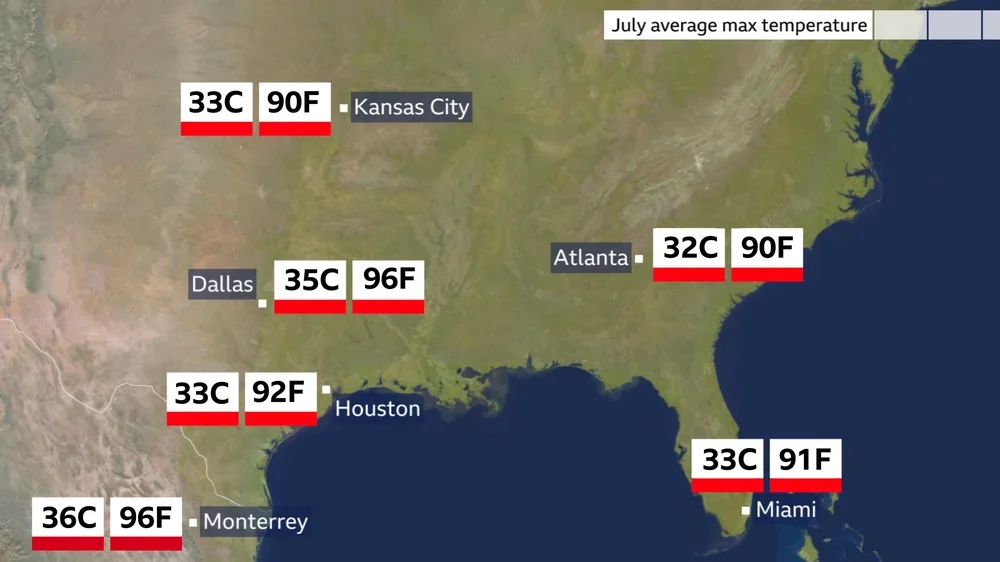
Many host cities are familiar with high summer temperatures. In parts of the southern United States and northern Mexico, average daytime highs typically sit in the low to mid-30s°C (mid-90s°F) and can approach 40°C (104°F) during hotter periods.
When humidity is factored in, the body finds it harder to cool itself, making conditions feel even hotter. Two heat indexes will be frequently mentioned this summer.
One is the “feels like” temperature, which represents how the body experiences heat rather than the actual thermometer reading. For instance, in Miami, a typical summer air temperature of 32°C (90°F) can often feel like 43°C (109°F).
The other is the Wet Bulb Globe Temperature (WBGT), which measures physical heat stress on the body. A WBGT of around 28°C (82°F) is widely seen as the threshold at which heat stress becomes a serious concern for elite athletes.
A 2025 study published in the International Journal of Biometeorology concluded that “14 out of the 16 host locations exceeded WBGTs of 28°C (82°F) in a summer afternoon.” In six host cities—Miami, Houston, Dallas, Monterrey, Kansas City, and Atlanta—WBGT could feasibly reach at least 32°C (90°F) in the afternoon, classified as extreme heat stress where the body struggles to keep cool.
To mitigate these risks, matches are generally scheduled outside the hottest part of the day, with many kick-offs in the late afternoon or evening. For example, Scotland’s Group C game against Brazil in Miami will kick off at 18:00 ET (23:00 BST). Some venues, including stadiums in Houston and Dallas, also feature retractable roofs and climate control systems to moderate conditions.
Summer heatwaves are common across North America and Mexico, with temperatures potentially rising 10°C (18°F) or more above average, pushing conditions into more challenging territory for players and fans. In New York, the site of the 2026 World Cup final on 19 July at 15:00 ET (20:00 BST), a typical heatwave could lead to air temperatures in the mid-30s°C (mid-90s°F) and a WBGT around 30°C (86°F), resulting in extreme heat stress.
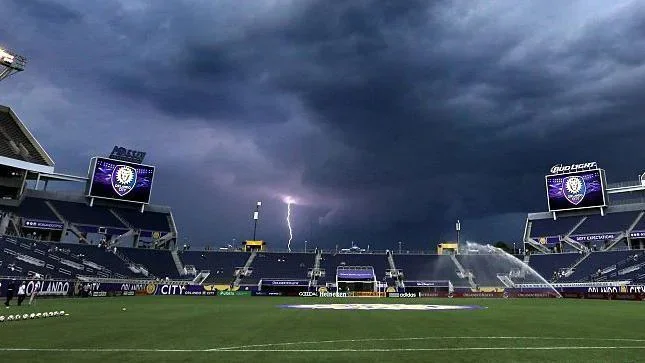
Thunderstorm disruption
Thunderstorms are another major concern. In US host cities, matches will be immediately halted for at least 30 minutes if lightning is detected within a certain radius. During last year’s FIFA Club World Cup, multiple games were delayed due to storms, including a two-hour stoppage. Such disruptions could affect scheduling and player performance, especially when combined with high humidity and heat.
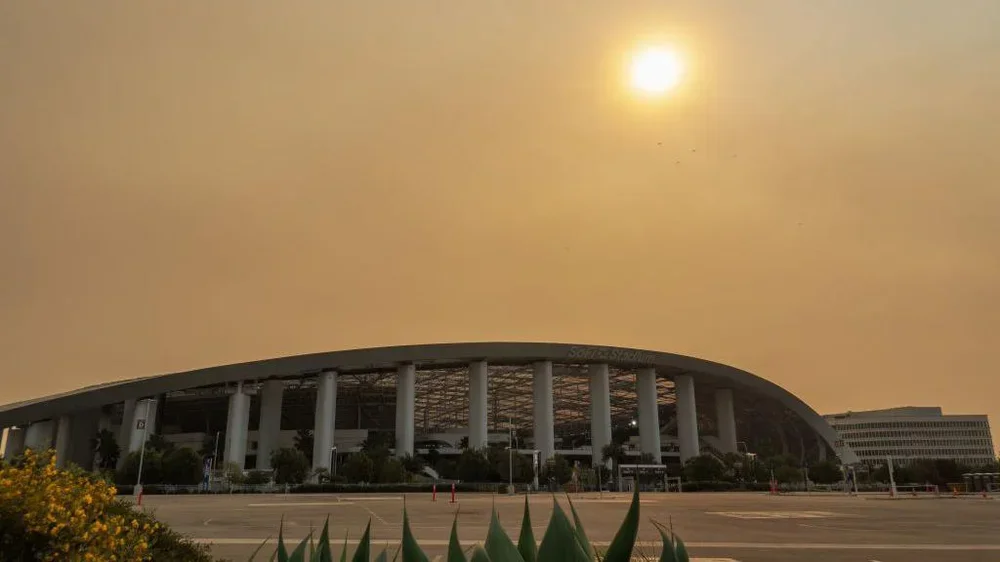
Poor air quality from wildfires, common in parts of North America during summer, may also impact matches. FIFA has protocols in place to monitor conditions and could delay or relocate games if air quality becomes hazardous. Overall, the combination of heat, storms, and smoke means weather will be a critical factor in the 2026 World Cup experience for both players and spectators.