

Amid the usual buzz, one player dominated discussions at the press conference ahead of the highly anticipated India-Pakistan clash at the T20 World Cup: Usman Tariq, the Pakistan spinner.
Despite having played only four international matches, his bowling action is currently the most talked-about topic in the cricket world.
“He doesn’t care about these things,” said Pakistan captain Salman Agha. “Since he started playing cricket, people have been talking about him. He doesn’t care about these things.”
So, what is the history, what are the rules, and what has been said about him?
Who is Usman Tariq and why is his bowling action controversial?
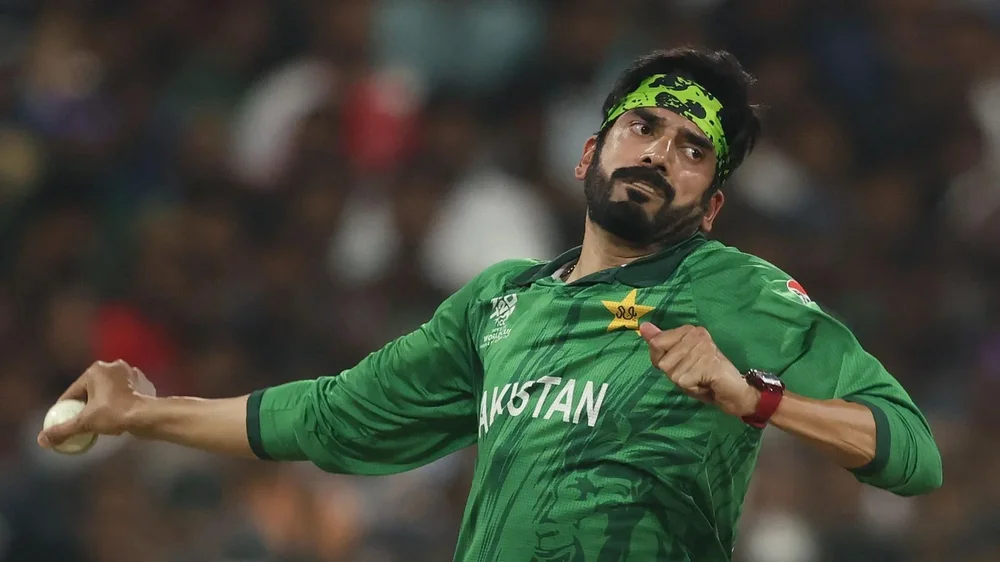
Tariq is a 28-year-old off-spinner from Pakistan. He has played just two first-class matches, focusing primarily on T20 cricket.
After an initial season in the Pakistan Super League in 2023-24, he rose to prominence over the past year with successful stints in the PSL and Caribbean Premier League in 2025, plus two matches in the ILT20 in the United Arab Emirates.
But it’s his bowling action that has sparked widespread debate. He trots to the crease, pauses in his delivery stride—coming to a complete stop—before slinging the ball with a low-armed action.
During the warm-up series between Australia and Pakistan before the World Cup, Australia batter Cameron Green mimicked a side-arm throwing action after being dismissed by Tariq. He later apologized. In the ILT20, England batter Tom Banton also appeared to suggest to the umpire that Tariq was throwing.
Tariq’s action has been reported twice by on-field umpires during the Pakistan Super League (in 2024 and 2025), but he was cleared on both occasions.
What are the laws?
The rules regarding whether a bowler is “throwing” are straightforward. Bowlers are not allowed to straighten their arm by more than 15 degrees from the time the arm reaches shoulder height in the bowling action.
“An illegal bowling action is where the player’s elbow extension exceeds 15 degrees between their arm reaching the horizontal and the ball being released,” states the International Cricket Council’s playing conditions.
Bowlers with suspected actions are first reported by on-field umpires or the match referee, then must undergo testing at an ICC-approved center. Tariq’s action was cleared at the center in Lahore, Pakistan.
The laws regarding Tariq’s pause are less clear. The issue falls under the “unfair play” section, rather than being explicitly defined by a specific law. On-field umpires can interpret the unfair play law, possibly using Law 41.5 on “deliberate distraction or deception of batter,” or broader laws to ensure fair play.
“If the pause is obviously longer or shorter, or if he bowls without a pause, that will be considered deception,” former ICC umpire Anil Chaudhary said this week. “Everything seems OK up to now. I am not seeing anything wrong.”
This issue arose in 2014 when former India spinner Ravichandran Ashwin paused in his delivery stride, leading to stricter umpire interpretations. Ultimately, umpires must judge whether the length of a pause is fair or unfair.
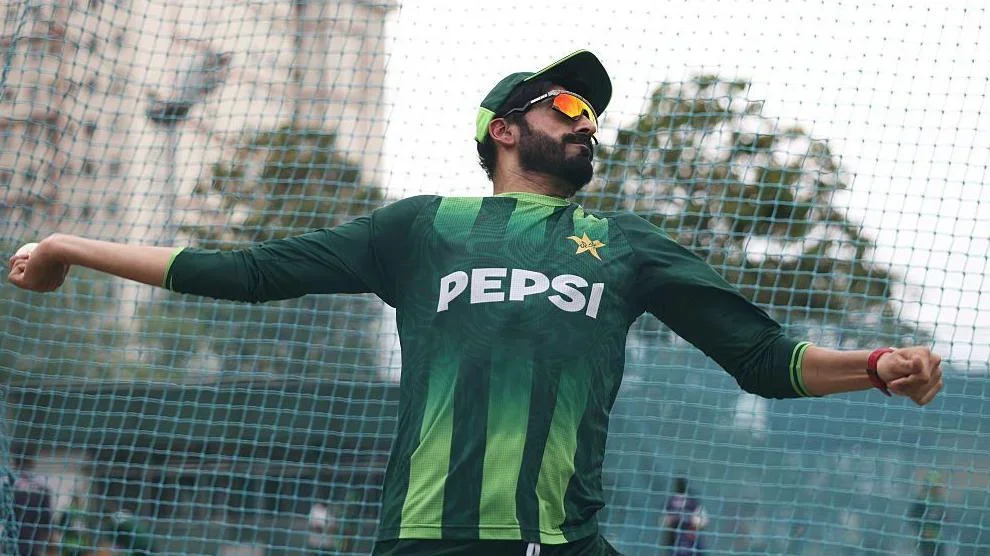
Tariq has said any flex in his action is because he has “two elbows” in the joint. Pakistan captain Salman called the spinner his “trump card.”