
Chinese football fans are among the most passionate in the world, even if the national team has struggled. Despite economic hardships in the past, fans gathered around televisions to watch matches and idolize players. Today, with a booming economy, China’s football consumption reaches astronomical levels annually.

FIFA has long noticed the potential of the Chinese market, viewing it as a lucrative opportunity. The organization has steadily increased broadcast fees for China Central Television (CCTV). The combined fee for the 2010 and 2014 World Cups was $115 million, while the 2018 and 2022 tournaments were packaged at $300 million. For the 2026 World Cup, to be hosted by the United States, Canada, and Mexico, FIFA demanded a record-breaking $300 million for a single edition. In contrast, India, with a similar population size of 1.4 billion, was offered a fee of only $35 million—nearly eight times lower than the price quoted to CCTV.
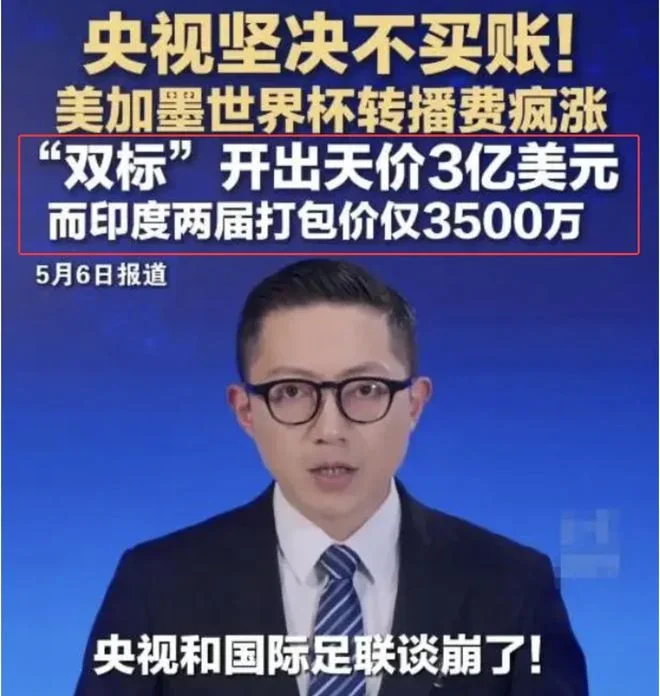
CCTV refused to accept the inflated demand and countered with a mere $60 million offer, sending a clear message: FIFA could take it or leave it. The question now is whether China needs the World Cup more than the World Cup needs China. Observers note that the Chinese market is the largest global market for the tournament.
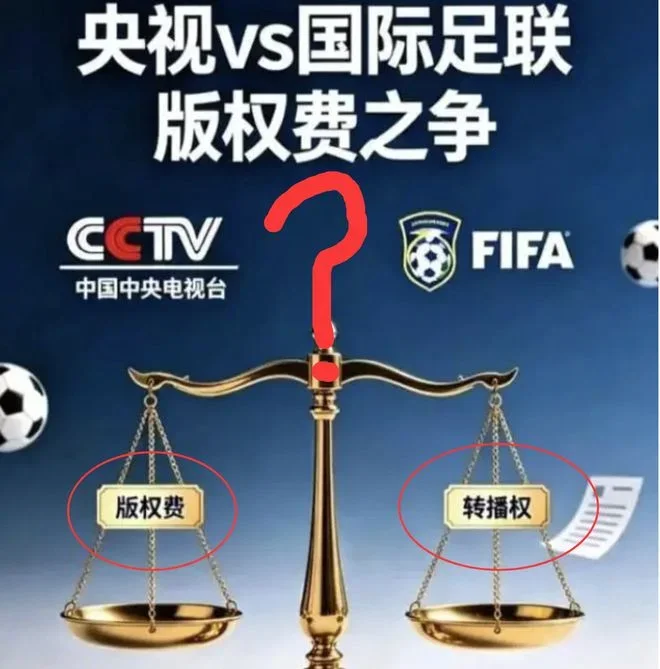
Chinese fans have overwhelmingly supported CCTV’s firm stance, applauding the network for not giving in to FIFA’s greed. Many believe it is time to stand up to such excessive demands. In response, FIFA appears to have reacted by shutting down the Chinese-language version of its official website. Previously, Chinese could be selected from the language drop-down menu, but now it is absent, while even Korean and Indonesian remain. This move has sparked speculation that FIFA might be abandoning the Chinese market altogether—a decision that many Chinese fans would welcome, with nearly unanimous approval.
The current state of international sports events has shifted away from the core of athletic competition. The World Cup is now heavily commercialized, with organizers seemingly focused solely on profits rather than sportsmanship. Some argue that domestic leagues like the Scottish Premier League or the Chinese Minchao League offer more authentic football experiences, with better atmosphere and passion than the men’s national team. China’s priority should be large-scale, inclusive tournaments that benefit Chinese sports and football, rather than a World Cup that lacks Chinese football elements and is tainted by corruption, doping, and a pervasive obsession with money.